Cranberry Proanthocyanidins and Urinary Tract Defense in Dogs
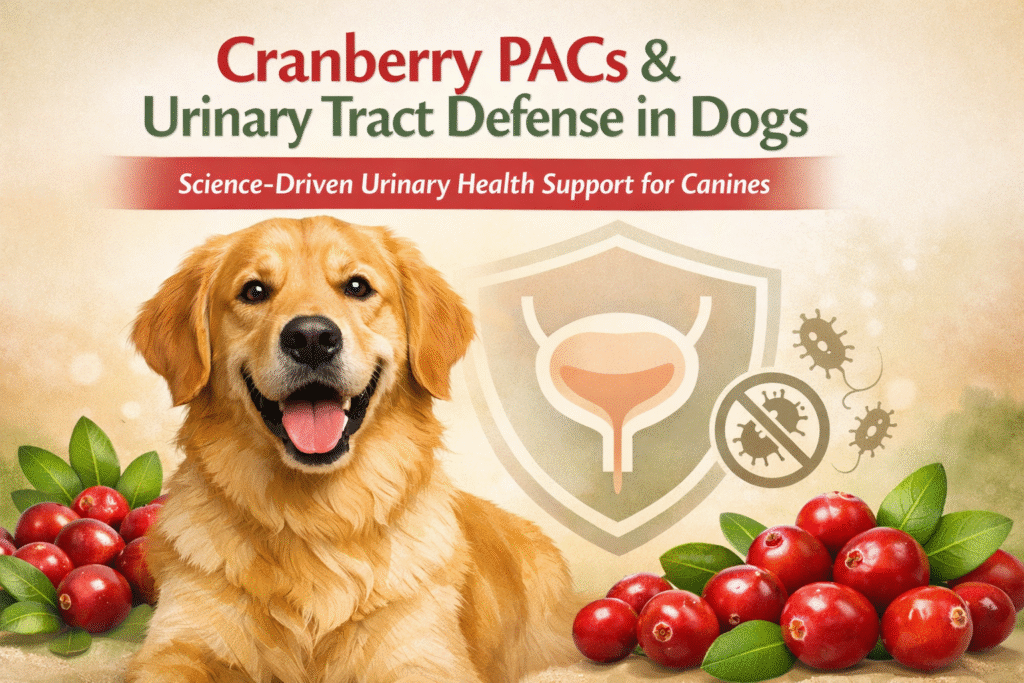
The Science Behind Anti-Adhesion, Inflammation, and Bladder Resilience
Introduction
Cranberries have long been associated with urinary health, but modern research has revealed that their benefits extend far beyond folklore. At the center of this science are proanthocyanidins (PACs) — naturally occurring polyphenols that play a critical role in urinary tract defense.
In dogs, urinary issues often stem not from a single infection, but from a combination of bacterial adhesion, inflammation, and compromised bladder lining integrity. Understanding how cranberry proanthocyanidins work helps explain why cranberry-based support is most effective as a preventive, long-term strategy, rather than a reactive solution.
What Are Proanthocyanidins (PACs)?
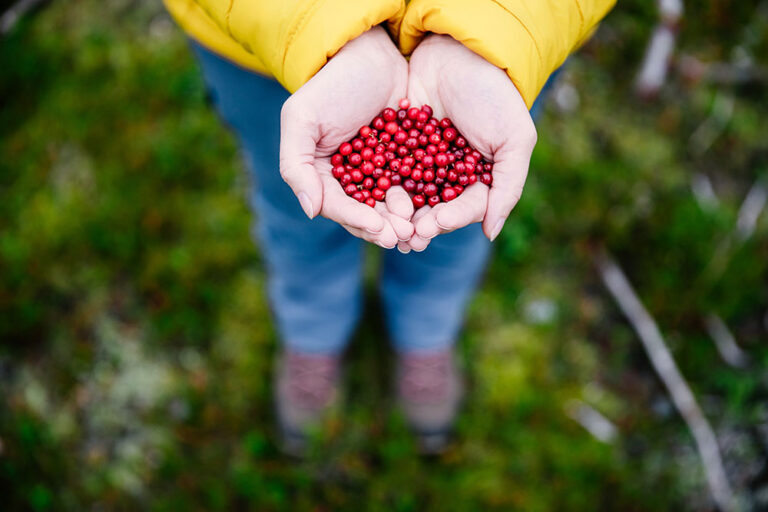
Proanthocyanidins are a class of plant-based polyphenols found in cranberries, particularly concentrated in the skins and seeds. These compounds are known for their antioxidant and anti-adhesion properties.
Unlike vitamins or minerals that act as nutrients, PACs function by modifying biological interactions — especially how bacteria behave within the urinary tract.
Bacterial Adhesion: The First Step in Urinary Issues
Many urinary tract infections begin when bacteria adhere to the lining of the bladder using microscopic hair-like structures. Once attached, bacteria can multiply, trigger inflammation, and form biofilms that are difficult to eliminate.
PACs interfere with this process by:
- Altering bacterial surface structures
- Reducing their ability to bind to bladder epithelial cells
- Making it easier for normal urine flow to flush bacteria out naturally
This anti-adhesion mechanism is one of the most well-studied aspects of cranberry science.
PACs and Bladder Lining Integrity
A healthy bladder lining acts as a protective barrier between urine and sensitive underlying tissue. When the bladder is inflamed or irritated — due to concentrated urine, repeated infections, or immune stress — this barrier becomes compromised.
Cranberry proanthocyanidins support urinary tract defense by:
- Helping reduce oxidative stress in bladder tissue
- Supporting inflammatory balance
- Preserving the integrity of the bladder lining
This mechanism directly supports the principles outlined in
👉 the science of canine urinary healthhttps://naturalranchproducts.com/the-science-of-canine-urinary-health-hydration-inflammation-prevention-canine-urinary-health/.
Inflammation: The Overlooked Driver of Recurrence
While antibiotics may clear acute infections, they do not address chronic low-grade inflammation, which increases vulnerability to future urinary issues. Inflamed tissue is more permeable and more susceptible to bacterial attachment.
PACs help regulate inflammation through antioxidant pathways, which:
- Reduce tissue irritation
- Support immune signaling balance
- Lower the likelihood of repeated urinary stress
This is why cranberry-based compounds are most effective when used preventively, not reactively.
Cranberry Source Matters: Not All Cranberry Is Equal
The effectiveness of PACs depends heavily on how cranberry compounds are sourced and processed.
- Cranberry juices often contain sugar and minimal PAC concentration
- Heat-processed extracts can degrade sensitive polyphenols
- Seed-based cranberry compounds retain unique antioxidant profiles
Cold-pressed oils preserve these compounds without altering urine pH, making them suitable for long-term use.👉 Learn more about cranberry seed oil for dogs and how it fits into urinary health support. https://naturalranchproducts.com/product/bladder-guard-soft-chews-for-dogs/
PACs, Hydration, and Urinary Flow
PACs work synergistically with hydration. Adequate water intake:
- Dilutes urine
- Reduces bladder irritation
- Increases flushing frequency
When urine flow is regular and bladder tissue is supported, PACs are more effective at reducing bacterial adhesion and recurrence risk — a key concept emphasized in comprehensive urinary prevention strategies.
Which Dogs Benefit Most from PAC-Based Support?
Cranberry proanthocyanidins may be especially helpful for:
- Dogs with a history of recurring urinary issues
- Senior dogs with reduced immune resilience
- Dogs prone to concentrated urine
- Dogs experiencing inflammation-related discomfort
PACs are not a treatment for active infections, but a science-backed tool for long-term bladder resilience.
Conclusion
Cranberry proanthocyanidins play a critical role in urinary tract defense by reducing bacterial adhesion, supporting bladder lining integrity, and helping regulate inflammation. When sourced properly and combined with hydration and monitoring, PACs offer a science-driven approach to urinary health in dogs.
This targeted support complements the broader principles outlined in
👉 The Science of Canine Urinary Health, helping dog owners take proactive, informed steps toward prevention.https://naturalranchproducts.com/the-science-of-canine-urinary-health-hydration-inflammation-prevention-canine-urinary-health/
Written by [Natural Ranch Products Team ], Pet Wellness Advocate at Natural Ranch. Passionate about holistic dog care and high-quality nutrition.”