The Science of Canine Urinary Health: Hydration, Inflammation, and Prevention

Introduction
Urinary issues are one of the most common health problems in dogs, yet they are often misunderstood. Subtle behavior changes, accidents, or changes in urination frequency can indicate early-stage problems. This comprehensive guide explains the science behind canine urinary health, preventive strategies, and how nutrition and lifestyle choices can support bladder resilience — including recognizing the early warning signs of urinary issues in dogs before they escalate.
Early Warning Signs of Urinary Issues in Dogs
Urinary issues often begin with subtle signs long before a diagnosis is made. Small changes in behavior, urination habits, or water intake can signal early bladder stress.
👉 See also:https://naturalranchproducts.com/early-warning-signs-of-urinary-issues-in-dogs/
Understanding the Canine Urinary System
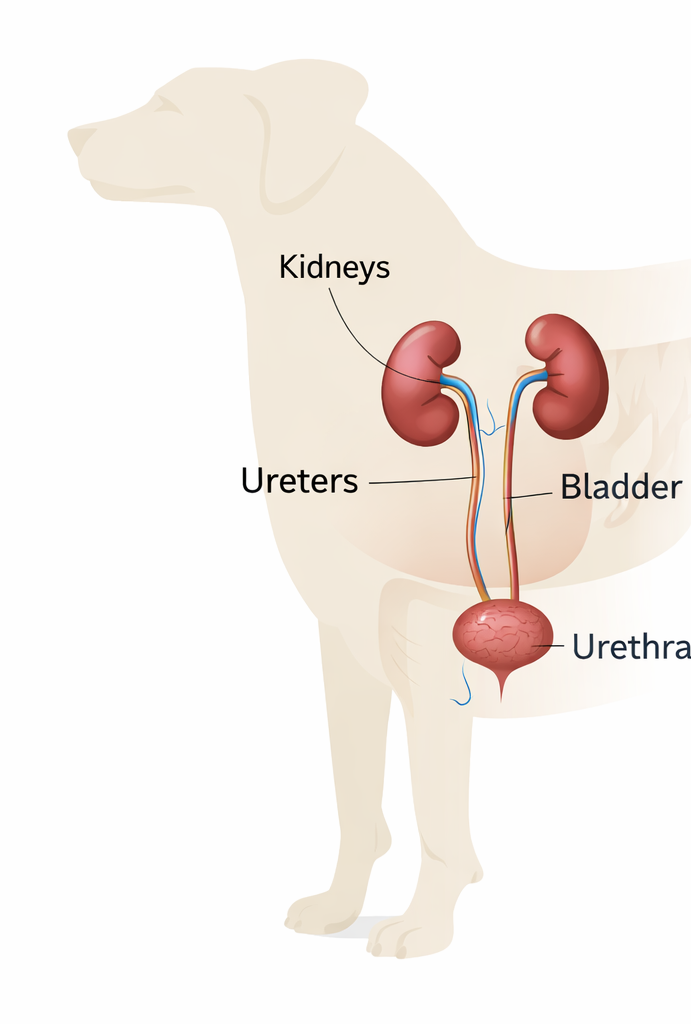
The urinary system includes the kidneys, ureters, bladder, and urethra, regulating fluid balance, filtering waste, and maintaining electrolyte and pH levels.
- Kidneys: Filter blood and regulate water, sodium, potassium, and waste products.
- Ureters: Transport urine from kidneys to bladder.
- Bladder: Stores urine until elimination.
- Urethra: Allows controlled urine release.
Optimal function ensures waste is flushed and bacteria cannot adhere easily — a key concept in understanding urinary tract biology and prevention science.
Hydration: The Foundation of Bladder Health
👉 For a deeper dive, see our guide on hydration and urine concentration science.
Proper hydration is critical for urinary health. Research shows that hydration and urine concentration science plays a major role in preventing bladder irritation and bacterial overgrowth.
- Concentrated urine increases bladder irritation, promotes crystallization, and supports bacterial adhesion.
- Dry kibble diets often contribute to chronic mild dehydration.
Supporting hydration through moisture-rich foods, broths, or targeted hydration support for dogs helps maintain dilute urine — one of the body’s most effective natural defense mechanisms.

Inflammation: The Silent Driver of Urinary Problems
Chronic bladder inflammation can result from bacterial exposure, concentrated urine, mechanical irritation, or immune overactivation. Inflamed bladder walls become more permeable and susceptible to infection.
This inflammation-discomfort loop also explains how inflammation and discomfort (including urinary stress) affect behavior, often appearing as anxiety, restlessness, or house-soiling.
While antibiotics may resolve acute infections, they do not address underlying inflammation or reduce recurrence risk.
Bacterial Adhesion and Biofilms
Certain bacteria attach to the bladder wall using microscopic structures and form protective biofilms, making infections difficult to eliminate and more likely to recur.
Preventive strategies focus on reducing adhesion, maintaining bladder lining integrity, and supporting frequent urination — principles central to cranberry proanthocyanidins and urinary tract defense science.
Cranberry Science: Beyond Folk Wisdom
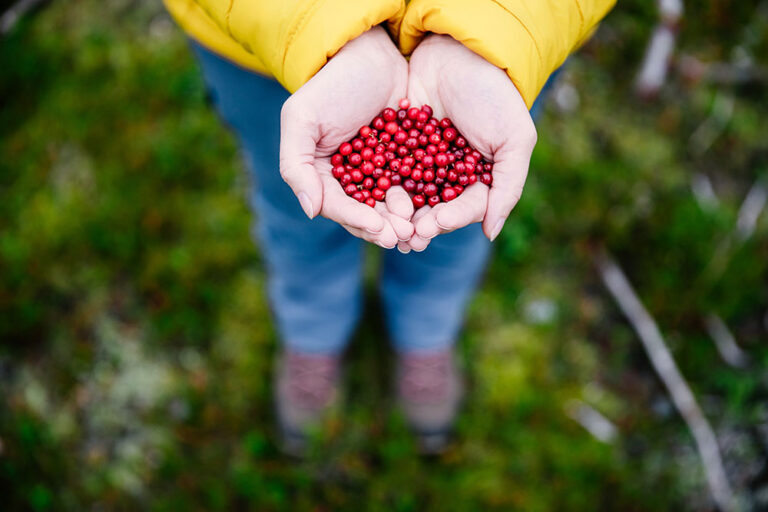
Cranberries contain proanthocyanidins (PACs) that:
- Interfere with bacterial adhesion
- Support healthy urine flow
- Reduce recurrence risk when used preventively
Beyond juice or extract myths, modern research highlights cranberry polyphenols in bladder lining support, particularly compounds found in cranberry seeds.
Seed-based antioxidants help regulate inflammation and oxidative stress — making them a form of bladder-supportive nutrition rather than a short-term fix.
Bladder Stones: Nutrition and Metabolism
Common bladder stones in dogs include:
- Struvite stones: Often linked to infection
- Calcium oxalate stones: Associated with metabolism and urine concentration
Much of cranberry’s protective benefit comes from its proanthocyanidins (PACs), which interfere with bacterial adhesion and help protect the bladder lining.
👉 Learn more: Cranberry Proanthocyanidins and Urinary Tract Defense in Dogs https://naturalranchproducts.com/cranberry-proanthocyanidins-and-urinary-tract-defense-in-dogs/
Preventive care focuses on hydration, mineral balance, urine pH management, and inflammation reduction — all part of long-term urinary health support strategies.
Senior Dogs: Increased Urinary Risk
Aging increases urinary vulnerability due to:
- Reduced kidney efficiency
- Weakened immune response
- Hormonal changes
- Decreased thirst drive
These changes make it essential to monitor subtle urinary changes in senior dogs and support bladder health proactively.
Behavioral Clues of Urinary Discomfort
👉 Related reading: https://naturalranchproducts.com/how-inflammation-and-physical-discomfort-affect-dog-behavior/
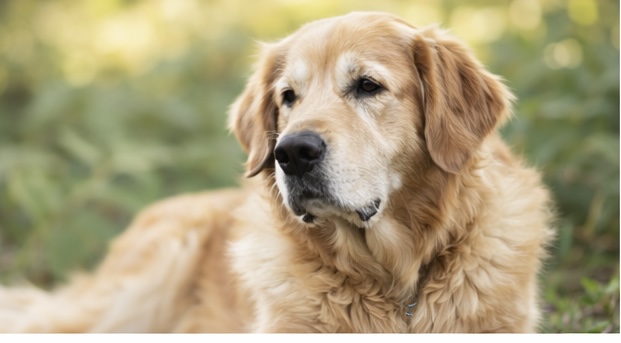
Dogs often show urinary discomfort behaviorally before clinical symptoms appear:
- Increased licking of the genital area
- Restlessness or pacing
- Accidents indoors
- Changes in water intake or urination frequency
Recognizing these early behavioral indicators of urinary stress allows intervention before infection or stone formation occurs.
Preventive Science-Backed Strategies
- Hydration: Maintain dilute urine using moisture-rich diets and hydration and urine concentration science principles.
- Bladder-supportive nutrition: Incorporate targeted antioxidants and bladder-supportive nutrition.
- Routine vet check-ups: Early urinalysis can detect asymptomatic issues.
- Behavior monitoring: Behavioral changes often precede lab findings.
Conclusion
Urinary health reflects the body’s overall balance. Understanding the science behind hydration, inflammation, bacterial adhesion, and aging empowers dog owners to take proactive steps — reducing recurrence risk and supporting long-term bladder resilience.
When preventive care is guided by biology rather than reaction, urinary health becomes manageable, predictable, and far less stressful for both dogs and their humans.
Frequently Asked Questions About Canine Urinary Health
❓ What causes urinary problems in dogs?
Urinary problems in dogs are commonly caused by dehydration, concentrated urine, bacterial exposure, inflammation, mineral imbalances, or age-related changes. Diet, stress, and reduced water intake can increase risk, especially in dogs eating primarily dry kibble.
❓ How does hydration affect a dog’s bladder health?
Hydration helps dilute urine, which reduces bladder irritation, lowers the risk of crystal formation, and helps flush bacteria out of the urinary tract. Dogs that are mildly dehydrated often produce concentrated urine, increasing the likelihood of urinary discomfort and infection.
❓ Can dehydration cause urinary tract infections in dogs?
Yes. Dehydration leads to concentrated urine, which creates an environment where bacteria are more likely to adhere to the bladder wall and multiply. Proper hydration is one of the most effective natural defenses against recurrent urinary tract infections.
❓ What role does inflammation play in urinary issues?
Inflammation weakens the bladder lining, making it more susceptible to irritation, bacterial attachment, and recurring infections. Chronic inflammation can persist even after antibiotics clear an active infection, which is why preventive support is important.
❓ How do cranberries support urinary health in dogs?
Cranberries contain proanthocyanidins (PACs), compounds that interfere with bacterial adhesion to the bladder wall. This makes it harder for bacteria to establish infections. Cranberry seed–based compounds also provide antioxidants that help support a healthy inflammatory response.
❓ Are cranberry supplements safe for long-term use in dogs?
When properly formulated for dogs and used at appropriate dosages, cranberry-based supplements are generally safe for long-term preventive support. Unlike some urinary supplements, cranberry seed compounds do not alter urine pH, making them suitable for ongoing use.
❓ What are early signs of urinary discomfort in dogs?
Early signs may include increased licking of the genital area, restlessness, accidents in the house, changes in urination frequency, or changes in water consumption. Behavioral changes often appear before obvious clinical symptoms.
❓ Are senior dogs more prone to urinary problems?
Yes. Aging dogs often experience reduced kidney efficiency, weaker immune defenses, hormonal changes, and a decreased thirst drive. These factors increase the importance of hydration and bladder-supportive nutrition in senior dogs.
❓ Can diet influence bladder stones in dogs?
Diet plays a significant role in bladder stone formation. Hydration level, mineral balance, urine concentration, and inflammation all influence whether stones such as struvite or calcium oxalate develop. Preventive strategies focus on moisture intake and metabolic balance rather than one-size-fits-all diets.
❓ How can dog owners help prevent recurring urinary issues?
Preventive strategies include maintaining proper hydration, feeding moisture-rich foods, supporting bladder health with science-backed nutrients like cranberry PACs, monitoring behavior for early warning signs, and scheduling routine veterinary urinalysis.
Explore bladder-supportive nutrition designed to support urinary comfort and inflammatory balance with oai_product:1‡Natural Ranch Products Bladder Guard Soft Chews, a science-formulated supplement that helps maintain bladder lining integrity and urinary tract health.
Written by Natural Rach Products Team , Pet Wellness Advocate at Natural Ranch. Passionate about holistic dog care and high-quality nutrition.”